The Agent Now Pitches Its Own Content Ideas
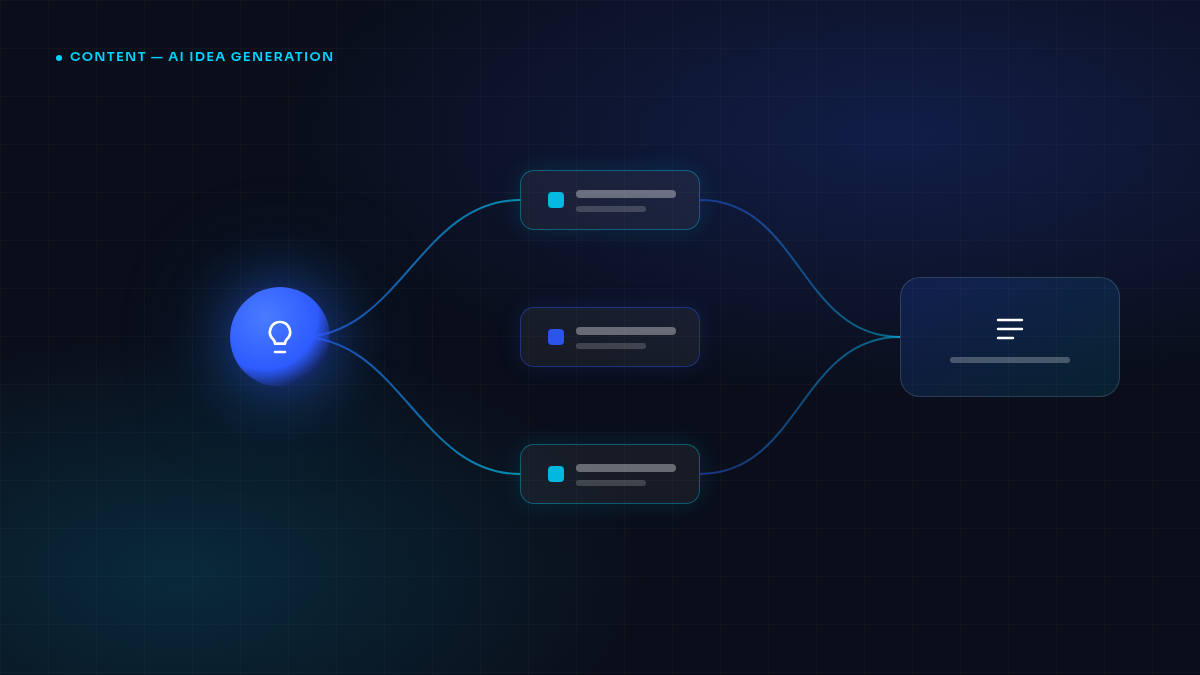
Up to now, your agent would only draft what you or a task template pointed it at. Now it can generate the ideas themselves — a new AI idea generation flow has the agent propose fresh content topics grounded in your actual strategy and existing content, each one tagged with a suggested channel. Pick one and hit Draft it, and the agent writes a full first version straight from that idea’s brief, instead of treating it as a blank-page revision.
The Content pipeline also got a layout upgrade: Draft and Published are now separate tabs, with a Kanban/List toggle so you can work the board the way that fits the moment. And if you want a written brand style guide — palette, typography, voice — the agent can now generate one automatically from your strategy foundation and keep every future draft on-brand against it.
Every Campaign Now Lives on a Bet
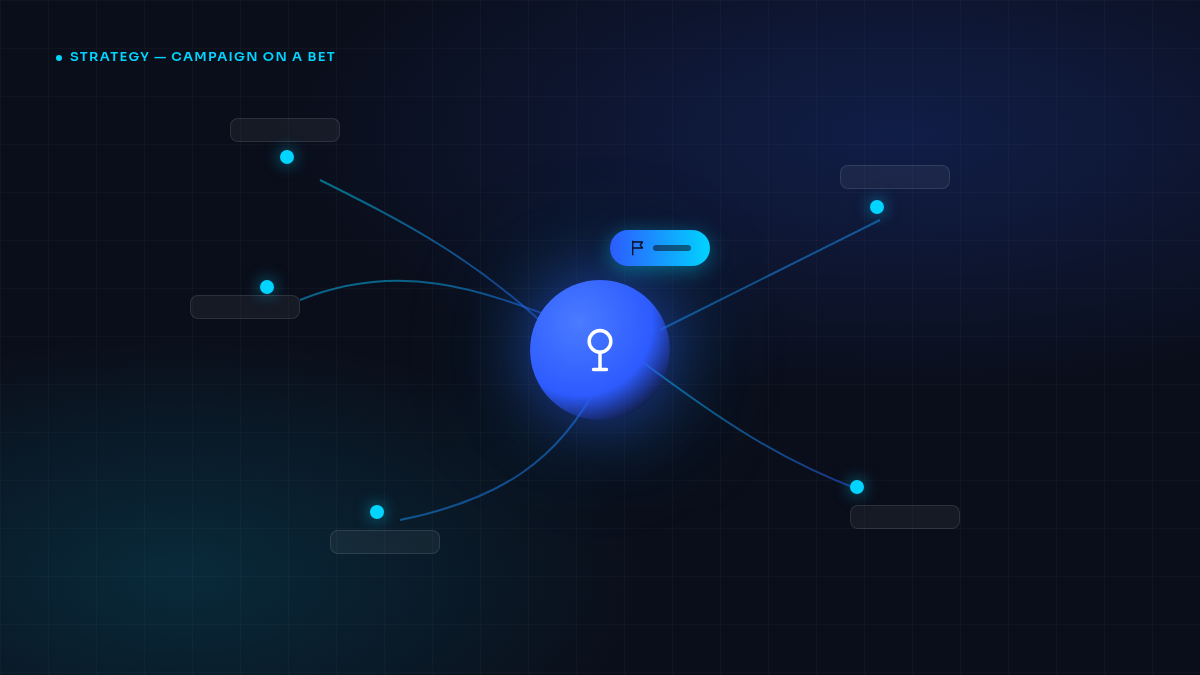
Strategy just got a structural fix. A campaign is no longer a separate object you set up and hope stays in sync with your actual beliefs — it now lives directly on the bet it’s testing. The belief is the campaign’s identity, and promoting a bet automatically retires whichever campaign was active before it, so there’s never a stale one running in the background.
Underneath, campaigns define 2–4 content pillars instead of channels or numeric KPI targets (that planning now belongs to Content, where it’s actually executed). Every topic and draft gets tagged with a pillar, so your brief shows live coverage — which parts of the current strategy are actually getting written about, and which aren’t. Onboarding now reads this same structured strategy layer directly, so day-one growth task recommendations are ranked against your real signals instead of a static template list.
Multiple Accounts, One Approval Trail
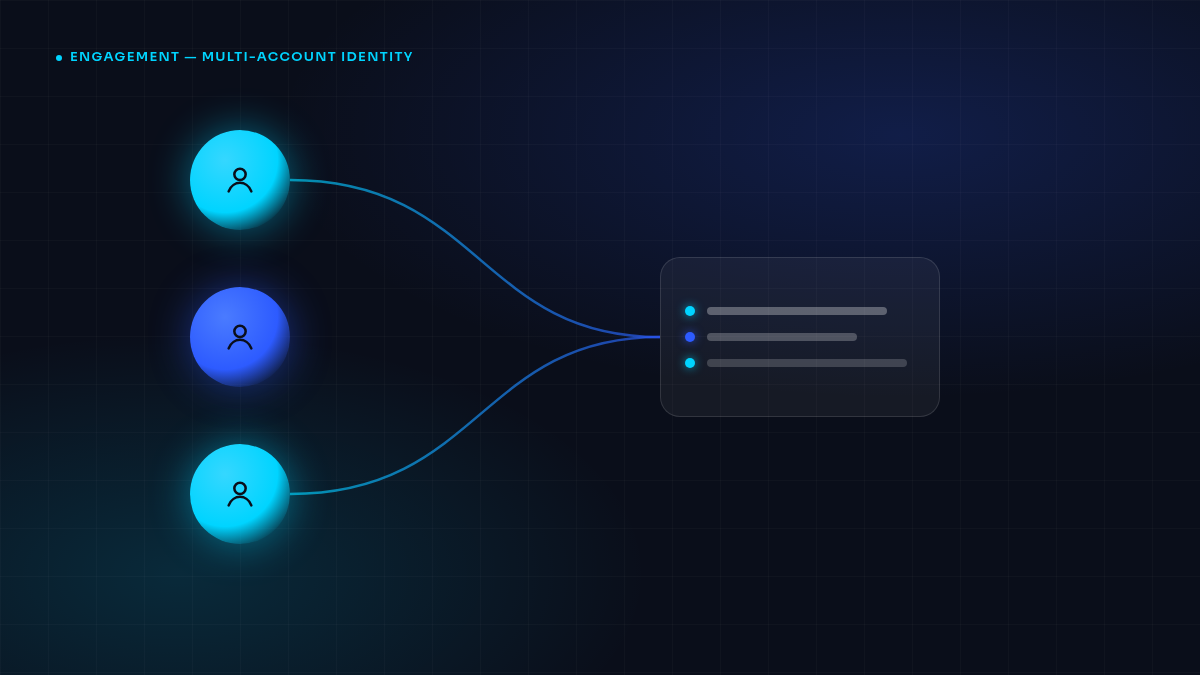
If you run more than one X or LinkedIn account through CrossMind, approvals now know which one is which. The agent fetches real target metadata for replies and quotes — you see a human-readable preview of exactly what you’re approving, not a raw API payload — and both platforms support multiple connected accounts with proper OAuth token sync.
We also replaced the old “Recent Activity” feed with a history built directly on approval records, so what you see reflects what was actually reviewed and decided, not a separate activity log that could drift out of sync.
Also Shipped
- Analytics dashboard polish: Refined access controls and navigation for the unified Analytics view introduced last cycle.
- Steel browser takeover: Clipboard copy/paste now works inside manual browser takeover sessions, so credentials and codes can be pasted directly instead of retyped.
- Cleaner version tracking: The app now reads its version from one shared source instead of drifting across services.
- Evolve status, fixed: Per-channel status indicators now hold steady for the whole session instead of flickering during unrelated tool calls.
- Spreadsheet export fix: Excel artifact exports now use the correct file extension.
- Approval context fixes: Reply approvals now carry the right target context, and several approval-list and dashboard display regressions were fixed.