Start a Trial Without an Invite Code
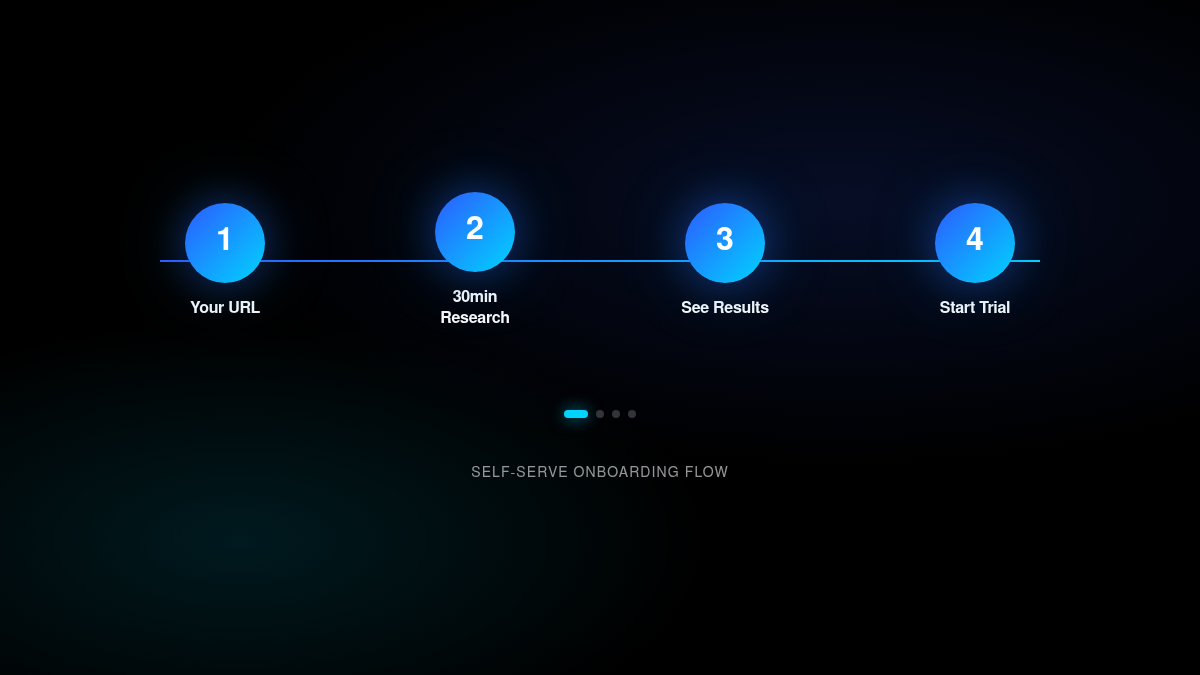
CrossMind now has a self-serve trial path. Anyone can sign up, go through onboarding, and start a Hobby trial — no invite code required, no waiting for a manual approval.
This was the last gate between “interested” and “running.” The onboarding flow takes you from your product URL to a research report in 30–40 minutes. At the end, if you want to continue, you can start a trial directly from that screen.
What you notice: The path from “I want to try CrossMind” to “my agent is running” is now fully self-serve.
Jump Directly to Any Tool Call in Tasks
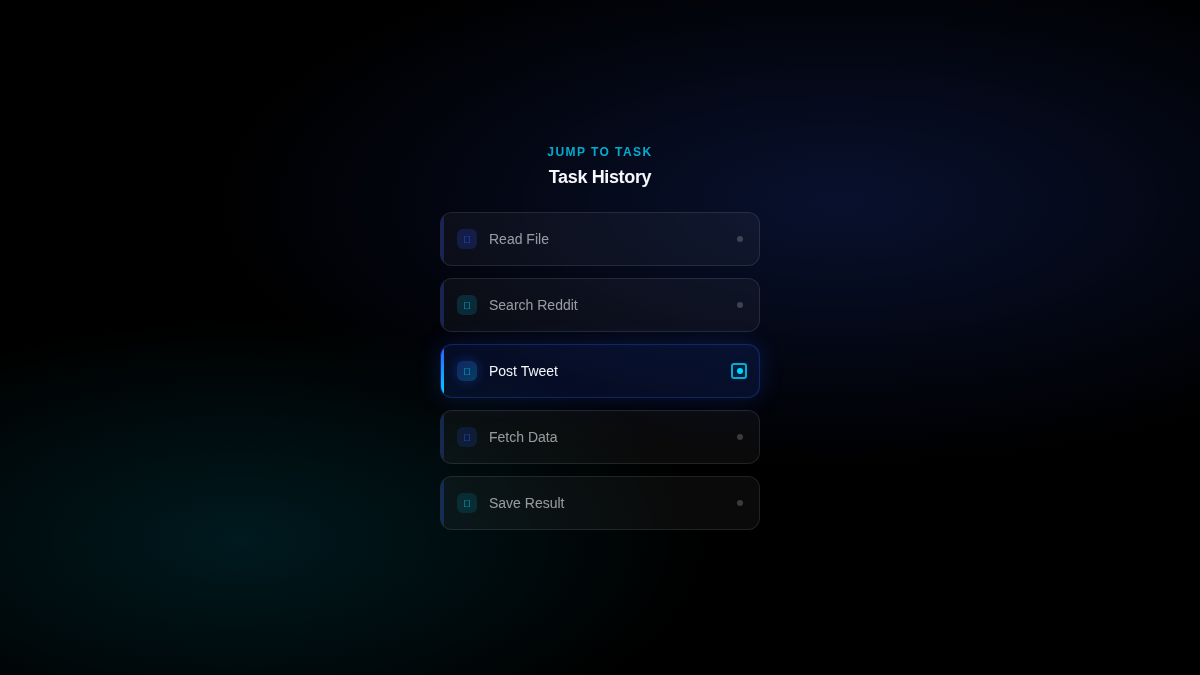
Task history now has jumpable tool cards. Every tool execution your agent ran — reading a file, posting a tweet, calling an API — shows up as a card you can click. Click it, and the view jumps directly to that point in the session.
Before this, reviewing what your agent did meant scrolling through the full output. Now you can navigate directly to a specific decision point — useful when a task ran for 40 minutes and you want to review the Reddit comment it drafted, or check exactly what it fetched from PostHog.
What you notice: Reviewing agent work is faster. Find the moment that matters without scrolling.
Subscribed Agents No Longer Show Trial Prompts
Agents running on a paid plan no longer show the trial guidance UI that was originally designed for onboarding. Once you’ve subscribed, the interface drops the “upgrade your trial” language and the associated guidance cards.
It’s a small thing, but the old behavior made it feel like you were always on borrowed time even after subscribing. That’s fixed.
What you notice: The interface reflects your actual account state.
X/Twitter Automation Is More Reliable
The base agent runtime now receives the X bearer token at startup. Previously, agents had to fetch this token at the time they needed it — which introduced latency and occasionally caused X-related tasks to fail if the token fetch happened to fail.
Now the token is injected before any task runs. X searches, timeline reads, post scheduling, and DM workflows start with credentials already in place.
What you notice: X-related agent tasks start faster and fail less.
Under the Hood
Founder context survives CLAUDE.md rewrites. Context you add outside the managed block now persists correctly even when the system updates the managed section. Previously it could get dropped silently.
Subagent runtime standardized. All subagents now run on the same canonical Agent runtime. This removes a class of edge-case behavior where subagents would behave differently depending on how they were spawned.
Onboarding slots simplified. The built-in onboarding task slots were refactored to be leaner and more focused — fewer moving parts, cleaner initial state for new agents.
Frontend PostHog fallback fixed. The analytics host fallback now works correctly in environments where the primary PostHog host is unreachable.