Artifacts Now Have a Smarter List View
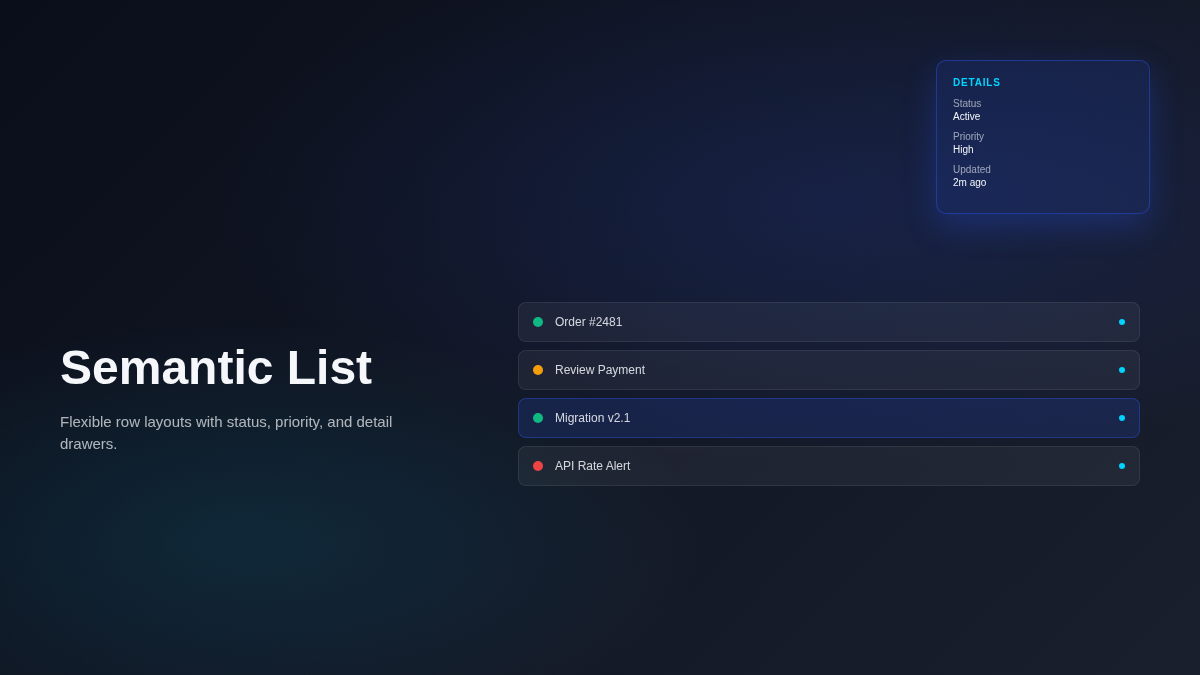
Your artifact databases now support a semantic list view — the same style you’d recognize from tools like Linear. Each row shows a status circle you can click to change the value inline, a priority indicator, a description preview, and meta chips for key fields. Click any row to open a full detail drawer without leaving the list.
The old “expand” button column is gone. Row click opens the detail panel, which is faster and less cluttered. You can also toggle column visibility with the eye icon in the table header — useful when you want to focus on a subset of fields.
For task boards, lead trackers, or any structured database, this makes scanning and updating rows significantly faster.
What you notice: Artifact databases feel more like a native app, less like a spreadsheet.
Configure What Each View Shows
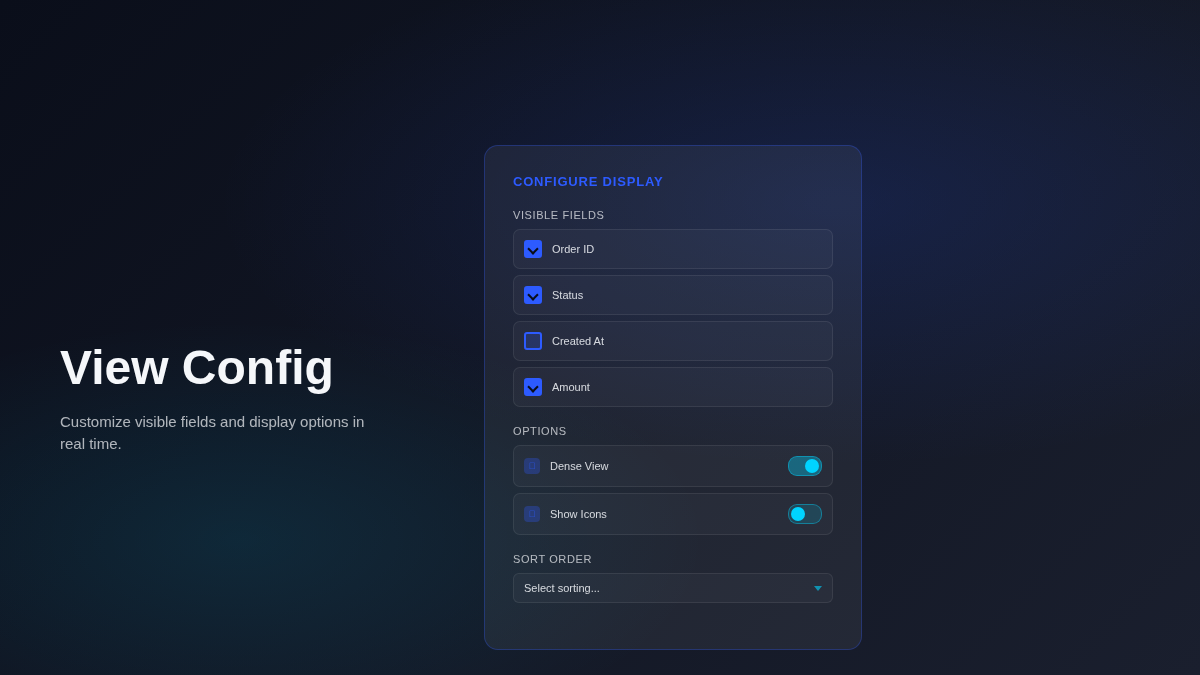
Each artifact view can now have its own content field — the field that appears as the “main text” when a row is displayed in list or summary mode. Previously, this was fixed to the first text column.
Use the ⚙ button in the artifact page header to open the view configuration dialog and set which field carries the primary content. This is especially useful when your database has a title and a separate description and you want to control which one shows up as the row headline.
What you notice: List views surface the right information immediately without needing to open every row.
Agent Sessions Are More Reliable
Several fixes landed this week that make agent execution more stable:
Browser sessions no longer drop unexpectedly. The agent was releasing baseline browser sessions too eagerly, which caused some browser-dependent tasks to fail mid-execution. The session is now held correctly for the duration of a task.
Orphaned subagent recovery works correctly. When a subagent loses its parent session — for example, due to a brief disconnection — the recovery hook now correctly re-attaches the subagent to the active session instead of leaving it stranded.
Claude 400 errors are handled cleanly. Previously, the agent would retry after certain API-level errors that aren’t retriable (like invalid requests). It now stops cleanly on 400-class errors instead of looping unnecessarily.
What you notice: Tasks involving browser automation or multiple subagents complete more reliably without silent failures or stuck retries.
Also Fixed
- Artifact database null handling: queries against artifact databases with null values in certain columns no longer throw an error
- Sandbox dependency detection: the sandbox correctly identifies required dependencies even in edge case configurations
- SDK upgraded to 0.1.56: underlying agent SDK updated with upstream reliability improvements