Three meaningful upgrades landed: you can now switch between Claude models at any point in a session, multiple AI personas can work together on the same task with their own sessions, and connecting integrations mid-task no longer breaks your flow.
Runtime Model Switching
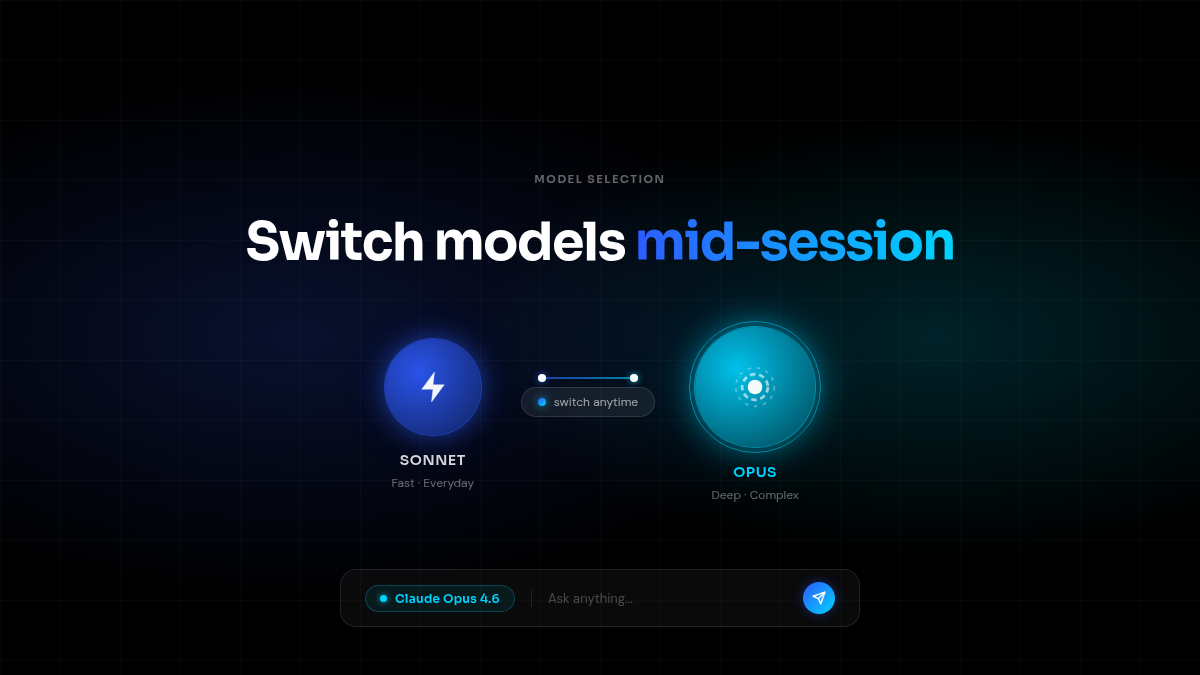
You can now choose which Claude model powers your session from the copilot composer — and switch models at any point, without starting over.
Two built-in options are available: Claude Sonnet 4.6 for fast, everyday work, and Claude Opus 4.6 when a task calls for deeper reasoning. The selection carries through to tasks and scheduled runs, so automated workflows use the model you intended.
Why it matters: Different tasks call for different tradeoffs. A quick draft or email summary doesn’t need the same model as a complex competitive analysis or multi-step technical plan. Now you can match the model to the job without the friction of reconfiguring a session.
Multi-Persona Copilot Collaboration
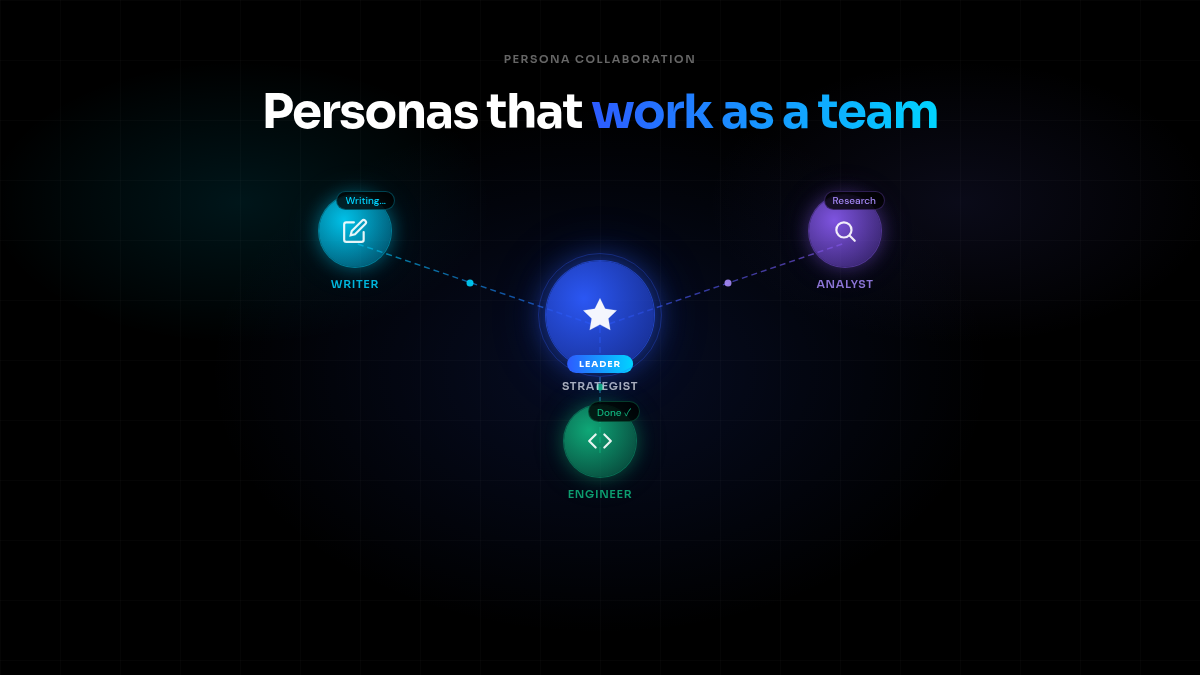
Personas can now collaborate. When a task benefits from multiple perspectives — one persona as the strategic lead, another as a specialist — you can run them as a linked team rather than switching back and forth manually.
Each persona runs in its own dedicated session. The leader coordinates the overall task and delegates focused work to member personas, whose results surface directly in the conversation as standalone task cards. A sticky leader banner keeps you oriented, and runtime metrics show what each persona is doing in real time.
Why it matters: Complex tasks — content creation with editing passes, research with structured writing, strategy with implementation detail — often require different capabilities at different stages. Multi-persona collaboration lets you build those workflows into a single coherent session instead of managing them manually.
Deferred OAuth: Connect Integrations Without Losing Your Place
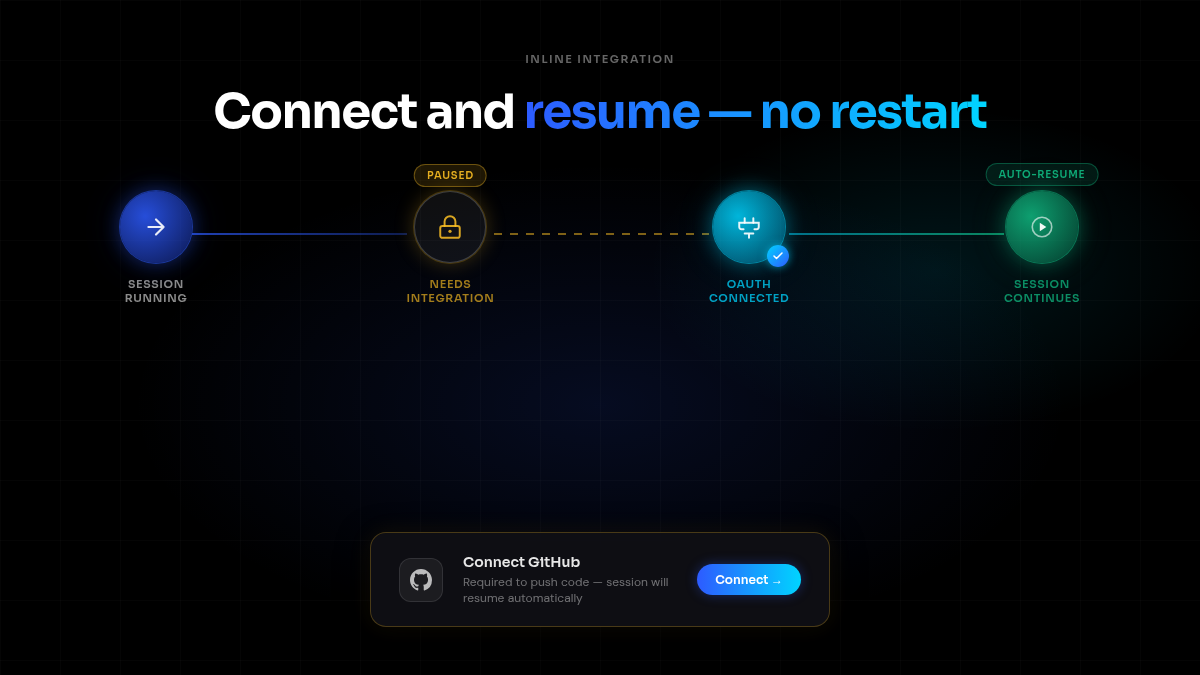
When a task requires an integration you haven’t connected yet — GitHub, LinkedIn, X, or others — CrossMind now pauses the session and presents an inline connection request. Once you complete the OAuth flow, the session resumes automatically from where it left off.
Previously, hitting a missing integration mid-task meant starting over. Now the system waits for you and picks up the thread.
Why it matters: Agents hit integration walls constantly when they’re doing real work. This removes the most disruptive part of that experience — the full-session restart — and makes connecting services feel like a natural part of building out your workspace.
Also Shipped
- Timezone-aware email timestamps — Email processing now uses proper timezone-aware timestamps, preventing edge cases where emails from adjacent days were miscounted or incorrectly blocked
- Rate limiting fix — A bug where old outbound timestamps from previous days could inadvertently expand the anti-spam window (and block legitimate reply conversations) has been fixed
- Deployment tracking — Each server deployment now records git metadata, making it easier to trace which code version is running in production at any point
- Worktree stability — Agent worktree environment setup is cleaner, with better isolation and more reliable cleanup after parallel task runs